
Materials
The fabric is crucial in its comfort, durability, and appearance when selecting a business suit. Here are the most common materials we use and their benefits:
1. Wool Suits
- Why Choose Wool? Wool is a premium choice for business suits due to its versatility, natural breathability, and luxurious feel.
- Characteristics: It resists wrinkles and provides excellent draping for a polished look.
- Best For: Year-round wear, offering timeless elegance, comfort, and versatility for formal occasions and everyday business settings.
2. Cotton Suits
- Why Choose Cotton? Cotton suits offer lightweight comfort and breathability. They are less formal than wool but are great for a professional yet relaxed appearance.
- Characteristics: Natural fiber, easy to wear, but may wrinkle more easily than wool.
- Best For: Casual business settings, offering lightweight comfort and a relaxed yet polished look.
3. Linen Suits
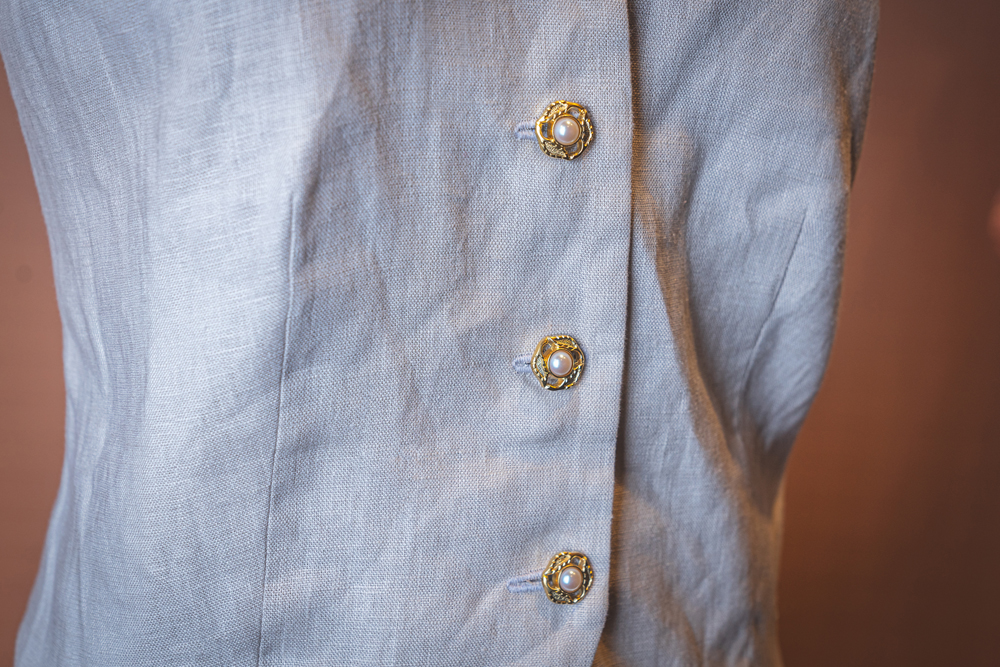
- Why Choose Linen? Linen is prized for its lightweight and breathable qualities, making it an excellent choice for hot weather.
- Characteristics: Offers a laid-back elegance but tends to wrinkle easily, adding to its charm in casual or semi-formal settings.
- Best For: Laid-back occasions, providing breathable comfort with a relaxed, stylish vibe.
4. Polyester and Synthetic Blends
- Why Choose Polyester Blends? Synthetic blends (e.g., polyester wool) combine affordability, durability, and wrinkle resistance. While not as breathable as natural fibers, they are easy to maintain and ideal for travel.
- Characteristics: Durable, less prone to creasing, and cost-effective.
- Best For: Budget-conscious customers or occasional wear.
5. Silk and Silk Blends
- Why Choose Silk? Silk offers unmatched luxury and a natural sheen. When blended with wool, it adds smoothness and enhances the drape of the fabric.
- Characteristics: Soft, luxurious, but delicate and higher maintenance.
- Best For: Special occasions or formal events.
6. Stretch Blends e.g., Wool with Elastane
- Why Choose Stretch Blends? Blended fabrics with a hint of stretch provide added flexibility, making them perfect for active professionals.
- Characteristics: Offers comfort without compromising on structure or style.
- Best For: Long workdays or travel.
Care
Proper care extends the life of your suit while maintaining its impeccable look. Follow these guidelines:
1. Dry Cleaning
- Frequency: Dry-clean your suit only when necessary to prevent fabric damage from harsh chemicals.
- Tip: Spot-clean minor stains to extend the time between professional cleanings.
2. Brushing
- Use a soft-bristle clothes brush to remove dust, lint, and dirt after every wear. This keeps your suit fresh and prevents buildup.
3. Storage
- Hangers: Store your suit on a sturdy wooden or padded hanger to maintain its shape and prevent creases.
- Garment Bags: Use breathable fabric garment bags to protect your suit from dust while allowing airflow. Avoid plastic covers, which can trap moisture.
7. Special Care for Fabrics
- Linen and Cotton: Hand wash or machine wash on a gentle cycle when specified on the care label. Iron on low heat for a crisp finish.
- Polyester Blends: Easily spot-cleaned and generally machine washable on a gentle cycle. Check the label for details.
4. Steaming and Pressing
- Steaming: Refresh your suit and remove wrinkles by gently steaming it. Avoid excessive steaming on synthetic fabrics.
- Pressing: If ironing is needed, use a low-heat setting and place a cloth between the iron and the fabric to prevent shine.
5. Rotation
- Rotate between multiple suits to reduce wear and allow each suit time to recover its shape between wears.
6. Daily Maintenance
- Air Out: Hang your suit in a well-ventilated area after each wear to prevent odors and moisture buildup.
- Avoid Overloading Pockets: This prevents sagging and maintains the suit’s silhouette.